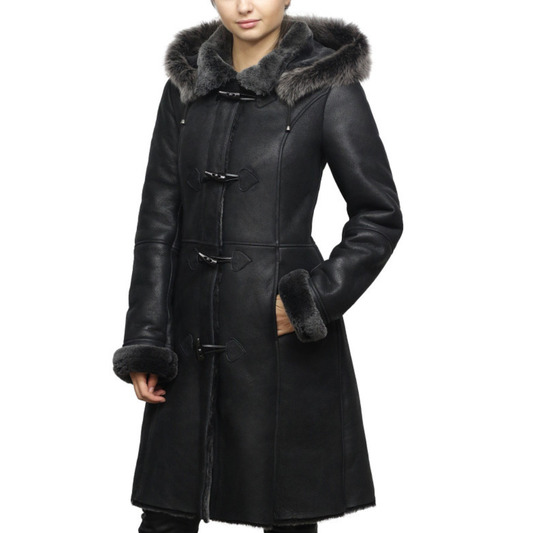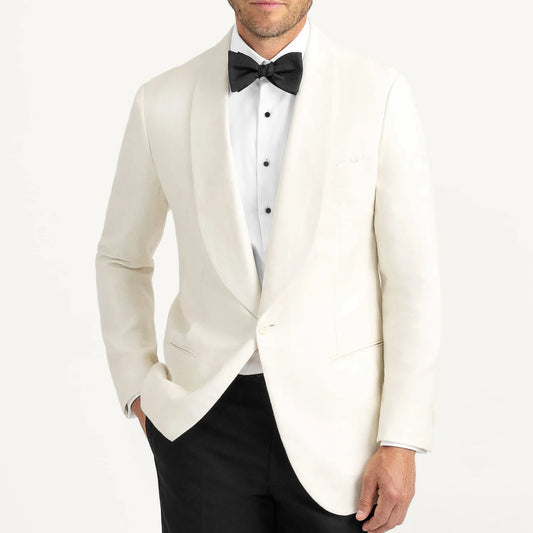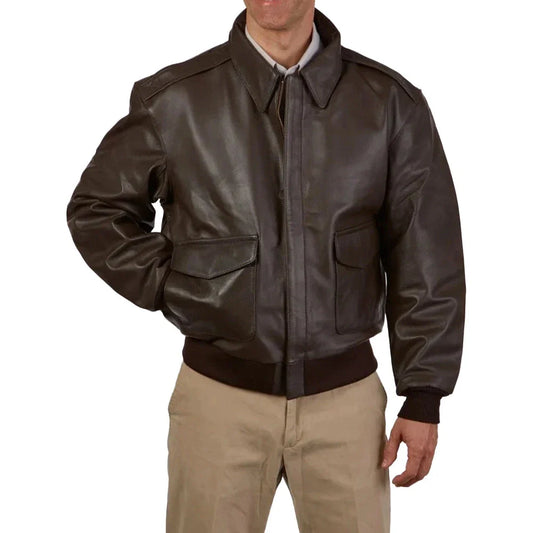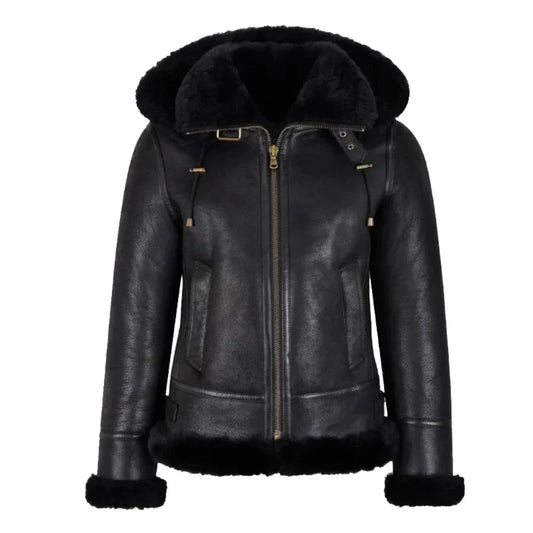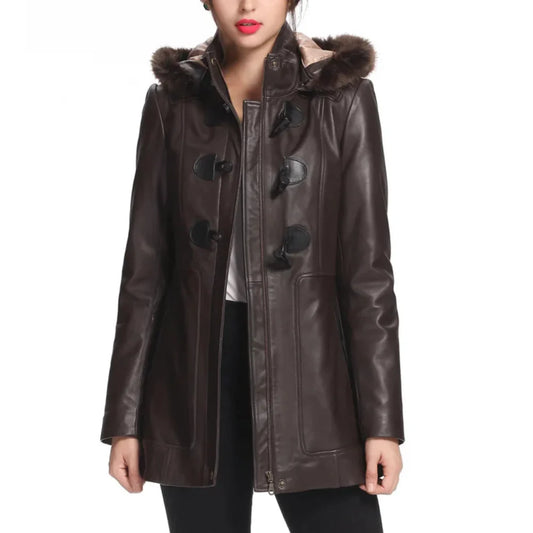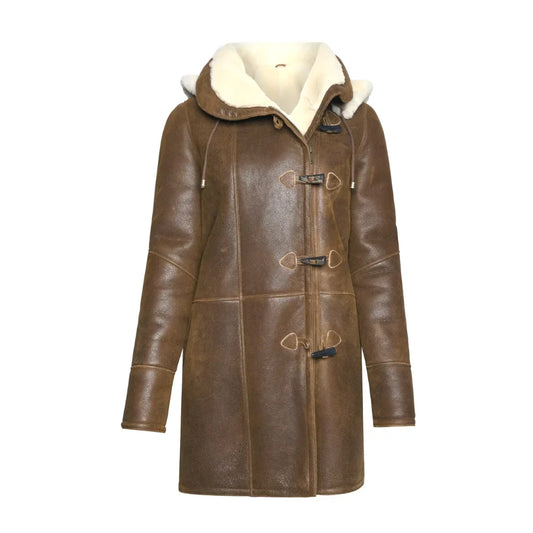


Real Leather vs Faux Leather: Which Jacket Is Better?

Real Leather vs Faux Leather: What’s the Difference?
Real leather comes from animal hide, while faux leather is a synthetic material made to look like leather. At first glance, both can appear similar, especially in jacket photos, but they do not feel, age, or wear the same way. Real leather usually lasts longer, feels more natural, and develops character over time. Faux leather is usually more affordable, easier to wipe clean, and animal-free, but it may not offer the same comfort, breathability, or long-term value.
For anyone buying a leather jacket online, this difference matters. A jacket is not only about how it looks when it is new. The material affects how it fits, how it feels during regular wear, how much care it needs, and whether it still looks good after a few seasons. Some shoppers want a premium real leather jacket they can wear for years, while others may prefer a faux leather jacket for casual use, budget reasons, or personal material choices.
In this guide, we’ll compare real leather vs faux leather in a simple, practical way. You’ll learn how each material is made, how they differ in texture, comfort, durability, price, care, and jacket quality, plus how to tell real leather from faux leather before buying.
Before choosing a leather jacket, it helps to know how these materials actually perform in real life.
Why Do So Many Leather Jackets Look Similar at First Glance?

Many leather jackets look similar online. Real leather and faux leather can both have a smooth finish, neat stitching, a defined shape, and a leather-like shine, so it is easy to feel unsure when comparing them.
Faux leather has also improved a lot. Some jackets are made to copy real leather grain, and product photos, lighting, and editing can make both materials look almost the same. Shine is not enough to judge either, because real leather can look polished, while faux leather can also have a softer matte finish.
The difference becomes clearer after regular wear. Real leather usually softens, moves better, breathes more, and develops character over time. Faux leather often stays more uniform, but lower-quality pieces may crack, peel, or lose their finish.
That is why the material matters. To understand how each one wears, you first need to know what real leather and faux leather are made from.
What Is Real Leather and Why Do People Prefer It for Jackets?
Real leather is made from treated animal hide. Because it comes from a natural source, it has grain, texture, and small variations that make each jacket slightly different. This is one of the main reasons people often prefer real leather for jackets. It does not look overly perfect. It has depth, movement, and a natural finish that feels more authentic.
A real leather jacket also changes with use. Instead of simply looking worn out, good leather can soften, shape slightly to the body, and develop character over time. The surface may gain a richer look as it ages, especially when the jacket is cared for properly.
For daily wear, real leather also has practical benefits. It usually feels more breathable than faux leather, which can make it more comfortable during longer wear. It also holds structure well, which is why it is commonly used for biker jackets, bomber jackets, cafe racer jackets, leather coats, and premium outerwear styles.
People often choose real leather because it feels like a long-term wardrobe piece. It has weight, texture, and a premium look that is hard to fully copy with synthetic materials. For shoppers who want a jacket that feels better with time, real leather is usually the stronger choice.
But not everyone wants to spend more on real leather, which is why faux leather became so popular.
What Is Faux Leather and Why Has It Become So Popular?
Faux leather is a synthetic material made to copy the look of real leather. It is commonly created with a fabric base covered in PU or PVC coating, giving it a leather-like surface without using animal hide.
One reason faux leather became popular is price. It usually costs less than real leather, which makes it easier for shoppers to try leather-style jackets without paying a higher amount upfront. It is also easier to wipe clean, which can be useful for people who want a low-maintenance jacket for casual wear.
Another reason is personal choice. Faux leather is animal-free, so many buyers prefer it for ethical or lifestyle reasons. It is also common in trend-based fashion because brands can create different colors, finishes, and styles at a lower cost.
That said, faux leather quality can vary a lot. Some faux leather jackets look impressive when new, especially in photos or under studio lighting. Lower-quality versions, however, may start to crack, peel, or lose their surface finish sooner than expected. This is why it is better to look beyond the first impression and think about how the jacket will perform after repeated wear.
While both materials may look similar on a hanger, they feel very different once you start wearing them regularly.
The Feel Test: Which One Actually Feels Better to Wear?

The real difference between these materials becomes easier to notice when the jacket is on your body. A jacket can look stylish in a product image, but comfort depends on how the material moves, breathes, and reacts during regular use.
Real leather usually feels warmer, richer, and more natural. At first, it may feel slightly firm, but with wear, it often softens and adjusts a little to your body shape. This is one reason people like real leather jackets for daily outfits, long drives, evening wear, and colder seasons. The material has a natural weight and texture that makes the jacket feel more personal with time.
Faux leather can feel smooth when new, but it may not always offer the same comfort during longer wear. Some faux leather jackets feel stiffer, especially around the shoulders, elbows, and chest. Because synthetic leather usually has less airflow, it can feel warmer or less breathable when worn for hours, especially while commuting, sitting indoors, or layering over sweaters.
For short outings, faux leather can work well. For regular wear, long winter use, or a jacket you want to keep as a wardrobe staple, real leather often feels more comfortable as it breaks in.
Comfort matters, but durability is where the biggest difference usually appears.
Which Material Lasts Longer Without Losing Its Look?
How a jacket holds up over time is one of the main reasons people compare real leather and faux leather before buying. A jacket can look great when it is new, but the bigger question is how it will look after months or years of wear.
Real leather usually performs better for long-term use. With basic care, it can last for years and often looks better as it ages. It softens, develops patina, and small creases or scuffs can make it feel more natural instead of worn out. If it starts to feel dry, you can condition it to help keep the leather flexible.
Faux leather can still work well, especially for casual wear, but it depends a lot on quality. Better faux leather may hold up fine with lighter use, while cheaper versions can crack, peel, or lose their coating faster. Once the top layer starts breaking down, it is much harder to fix.
That is why the lowest price is not always the best value. Faux leather costs less upfront, but real leather often makes more sense if you want a jacket you can keep wearing season after season.
So if real leather usually lasts longer, why do so many shoppers still choose faux leather?
Is Real Leather Really Worth the Higher Price?
Real leather costs more because it comes from natural hide and takes more work to cut, stitch, and finish.
It often gives better long-term value because a good real leather jacket can stay in your wardrobe for years instead of being replaced quickly.
Real leather feels more natural with richer texture, better shape, and an aging process that can make it look better with care.
Faux leather is better for budget-friendly buying if you want the leather look for occasional wear, trend outfits, or animal-free material.
Choose real leather for long-term wear and a natural feel.
Choose faux leather if price, easy cleaning, or animal-free material matters more.
How Can You Tell if a Jacket Is Real Leather or Faux Leather?

You can often tell the difference between real leather and faux leather by checking the texture, grain, smell, edges, flexibility, and product details. One sign alone may not be enough, but when you look at several details together, the material becomes easier to identify.
Texture Test
Real leather usually has a natural surface that feels warm, slightly uneven, and textured. It may have small marks, wrinkles, or grain changes because it comes from hide.
Faux leather often feels smoother and more uniform. Some versions feel slightly plastic-like or coated, especially when you run your hand across the surface.
Grain Pattern
Real leather grain is not perfectly repeated. You may notice small differences across the jacket, especially near the sleeves, shoulders, and panels.
Faux leather often has a printed or stamped grain pattern. If the texture looks too perfect or repeats in the same way across the jacket, it may be synthetic leather.
Smell Test
Real leather has a natural, warm leather smell. It is usually richer and less chemical-like.
Faux leather may have a plastic or synthetic smell, especially when it is new. Some faux leather jackets have very little scent at all, depending on the finish.
Edge Inspection
The edges can tell you a lot. Real leather edges may look fibrous or slightly rough because the material is natural.
Faux leather may show a fabric backing, a layered surface, or a coated edge. This is easier to notice around seams, cuffs, inner panels, or unfinished areas.
Flexibility Check
Real leather usually bends and moves in a more natural way. It may feel firm at first, but it softens with use.
Faux leather can feel flexible when thin, but thicker versions may feel stiff or rubbery. Around the elbows and shoulders, it may not move as naturally as real leather.
Label Reading
Always read the product description before buying. Terms like real leather, genuine leather, lambskin leather, cowhide leather, or sheepskin leather usually point to natural leather.
Terms like PU leather, PVC leather, synthetic leather, vegan leather, or faux leather mean the jacket is not made from animal hide.
Even after spotting the differences, the better option still depends on how you plan to wear your jacket.
Which One Makes More Sense for Everyday Jackets?
For everyday jackets, real leather usually makes more sense if you want something durable, comfortable, and easy to style for years. Faux leather can still work well for occasional wear, trend-based outfits, or shoppers who want a lower-cost option.
Choose a real leather jacket if you wear jackets often and want the material to improve with time. Real leather is a strong choice for people who care about texture, aging, shape, and long-term value. It works especially well for men’s leather jackets, women’s leather jackets, biker jackets, bomber jackets, and cafe racer jackets because these styles depend on structure and material quality.
Choose faux leather if you want the look of leather without spending as much up front. It can be a good option for casual outfits, short-term fashion trends, or buyers who prefer animal-free materials. It is also easier to wipe clean, which may appeal to people who want a low-maintenance jacket.
For regular use, real leather has a stronger advantage. It feels more natural, handles wear better, and usually keeps its appeal longer. For light use or style experiments, faux leather can still be a practical choice.
Before making a final decision, there are still a few common myths about leather that confuse many buyers.
Common Myths About Real and Faux Leather

Frequently Asked Questions
1. What is the main difference between real leather and faux leather?
Real leather is made from natural animal hide, while faux leather is made from synthetic materials such as PU or PVC. Real leather usually has natural grain, texture variation, and better aging, while faux leather is designed to copy the look of leather at a lower price.
2. Is real leather better than faux leather for jackets?
Real leather is usually better for jackets if you want long-term wear, natural texture, breathability, and a premium feel. Faux leather can still work well for budget shoppers, occasional wear, or buyers who prefer animal-free materials.
3. How can you tell if a jacket is real leather or faux leather?
Check the texture, grain, smell, edges, and label. Real leather often feels warmer, has natural grain variation, and may show small imperfections. Faux leather usually looks more uniform, may feel smoother or plastic-like, and is often labeled as PU, PVC, synthetic, vegan, or faux leather.
4. Does faux leather last as long as real leather?
Faux leather usually does not last as long as real leather. Its lifespan depends on quality and care, but lower-quality faux leather may crack, peel, or lose its coating over time. Real leather can last for years when cleaned, conditioned, and stored properly.
5. Is faux leather a good choice for a jacket?
Faux leather can be a good choice if you want a lower-cost, animal-free jacket for light or occasional wear. It is also easy to wipe clean. However, if you want a jacket for regular use, better comfort, and long-term value, real leather is usually the stronger option.