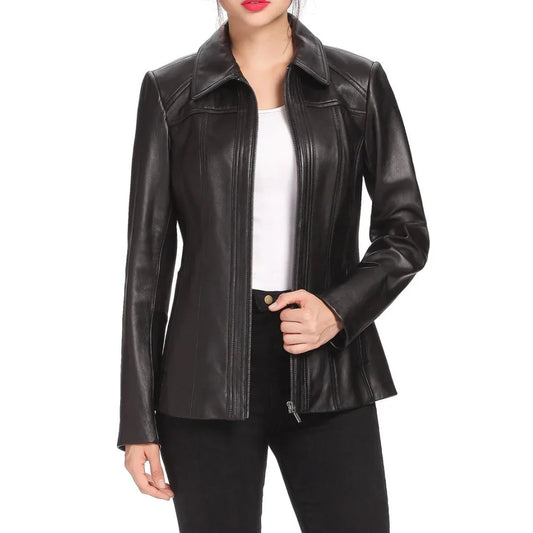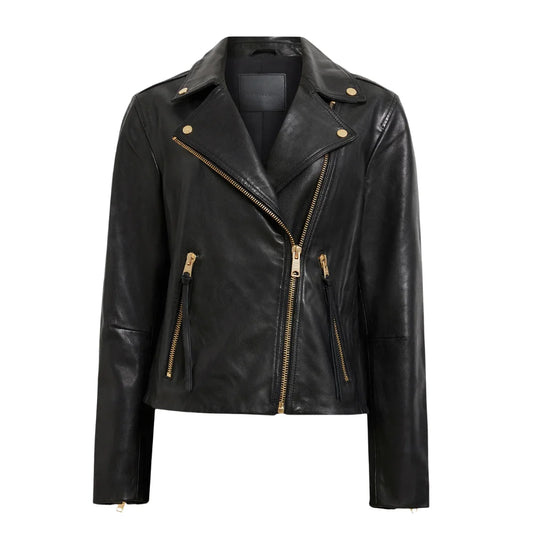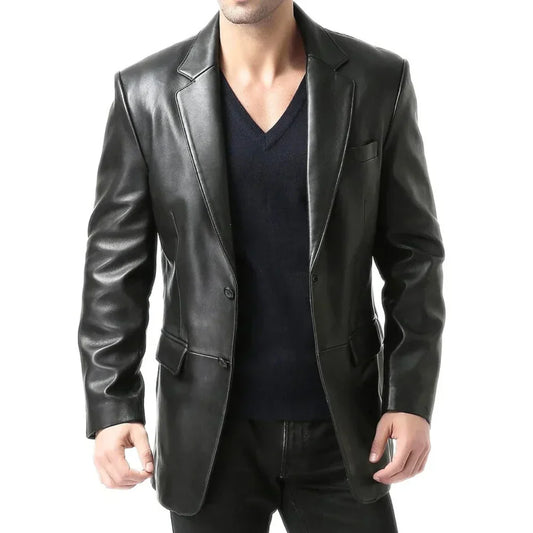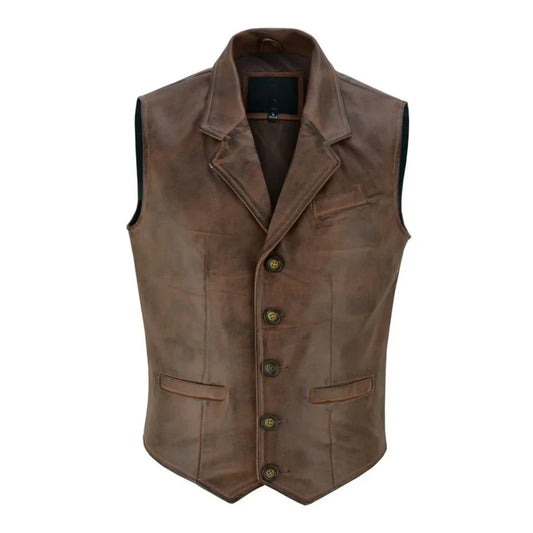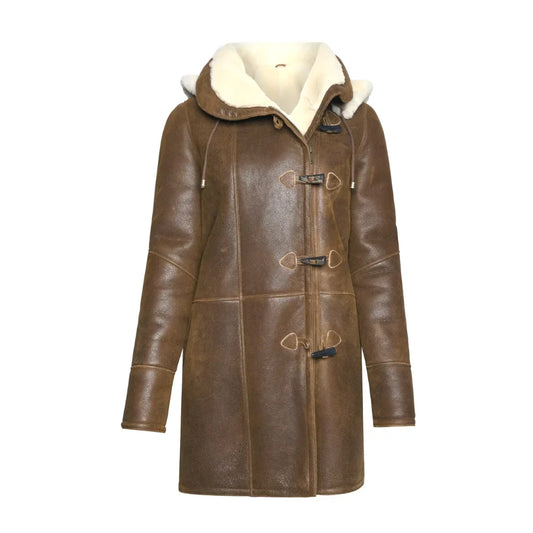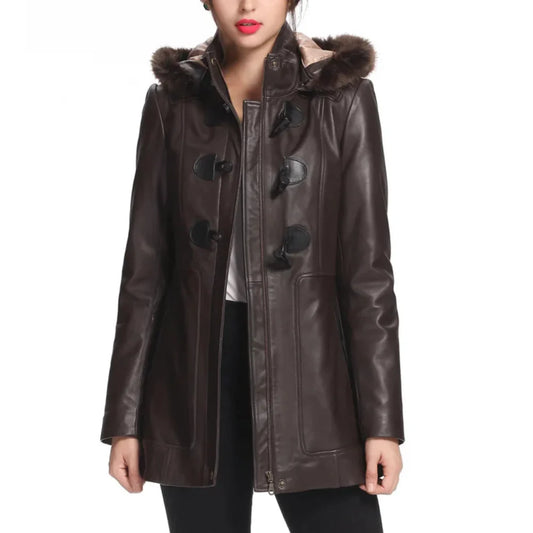


What Is Genuine Leather?

Genuine Leather Explained: Quality, Types, and Buying Tips
This is why the term matters when buying a leather jacket.
To judge true leather material properly, you need to understand how it compares with full-grain, top-grain, bonded, faux, PU, and vegan leather. You also need to know what details to check before buying, especially if you are choosing a real hide leather jacket online.
Is Genuine Leather Real Leather or Synthetic?

Yes, genuine leather is real leather when the term is used correctly. It comes from animal hide, which makes it different from faux leather, PU leather, and many vegan leather materials. Those alternatives are made to look like leather, but they do not come from the same natural source.
|
Material |
Real Leather? |
Basic Meaning |
|
Full-grain leather |
Yes |
Natural outer grain layer of the hide |
|
Top-grain leather |
Yes |
Refined the top layer with a smoother surface |
|
Natural leather |
Yes |
Real leather, but quality can vary |
|
Bonded leather |
Partly |
Leather fibers mixed with binders |
|
Faux leather |
No |
Synthetic material made to look like leather |
|
PU leather |
No |
Plastic-based synthetic leather |
|
Vegan leather |
No animal hide |
Animal-free leather alternative |
The easiest way to understand it is this: genuine leather is real leather, while faux leather and PU leather are synthetic materials. Vegan leather does not use animal hide, and bonded leather is made from leather fibers mixed with other substances. Natural leather sits in the real leather category, but shoppers still need to check the product details to understand its quality.
Why the Term “Genuine Leather” Can Be Misleading
The phrase “genuine leather” sounds like a sign of premium quality, but it usually only confirms that the material comes from real animal hide. It does not tell you the leather grade, hide type, thickness, surface finish, or how well the jacket will hold up with regular wear.
This is where many shoppers get confused. A jacket can say “real leather,” but the product page may still leave out important details like leather source, lining, stitching, hardware, fit, and care instructions. Without that information, the label is too broad to judge the full quality of the jacket.
That does not mean genuine leather is a bad choice. A well-made leather jacket can look refined, feel comfortable, and keep its shape when the material and construction are done properly. Treat the label as a starting point, then check the leather type, finish, stitching, lining, photos, reviews, and return policy before buying.
How Genuine Leather Is Made

Real leather starts with animal hide and goes through several steps before it becomes a jacket panel, sleeve, collar, lining-backed piece, or finished leather outerwear. Each step affects the final feel, texture, flexibility, color, and durability of the material.
This is why two products can both use authentic leather but feel completely different. One jacket may feel soft and flexible, while another may feel firm, smooth, or heavily coated. The difference often comes from the hide, the leather layer, the tanning method, and the final surface treatment.
From Animal Hide to Leather Material
The process begins with animal hide. Common hides used in fashion products include cowhide, lambskin, sheepskin, and goatskin. Each one has a different character.
Cowhide is usually thicker and more structured, making it a strong option for biker jackets and outerwear that needs shape. Lambskin is softer and lighter, which gives jackets a smoother feel. Sheepskin is often flexible and comfortable, while goatskin has a textured surface and good strength.
For jackets, the choice affects how the piece feels on the body. A structured biker jacket may benefit from firmer leather, while a fashion jacket may feel better in softer leather that moves more easily.
Tanning, Finishing, and Surface Treatment
After the hide is prepared, it is tanned to make it stable and usable. Tanning affects softness, color, flexibility, and wear. Once the leather is tanned, it may be finished to create a certain look or feel.
Finishing can include dyeing, buffing, coating, embossing, or polishing. These steps can make leather look smooth, shiny, matte, textured, or more uniform. A good finish supports the natural material. A poor or overly heavy coating can make the surface feel plastic-like and may reduce the natural leather feel.
This is why real leather quality cannot be judged by the name alone. The way the leather is treated plays a major role in how it looks, feels, and ages.
Genuine Leather vs Other Leather Types
Leather labels can be confusing because different materials may look similar in photos. Natural leather, full-grain leather, top-grain leather, bonded leather, faux leather, PU leather, and vegan leather can all appear polished online, but they differ in source, structure, durability, and aging.
Understanding these differences helps you compare products more fairly, especially when buying a leather jacket online.
Genuine Leather vs Full-Grain and Top-Grain Leather

Full-grain leather uses the outer surface of the hide and keeps the natural grain. It often shows natural marks and texture, which many people value because the material develops character over time. It is usually seen as one of the higher-grade leather types and often costs more.
Top-grain leather is also real leather, but the surface is usually corrected or refined for a smoother appearance. It may not show as much natural grain as full-grain leather, but it can still be durable, polished, and suitable for jackets, bags, and other fashion products.
True leather is less specific. It tells you the material is real leather, but it does not identify the exact layer or level of processing. This is why full-grain and top-grain labels usually give shoppers more detail, while “true leather” needs support from the full product description.
Genuine Leather vs Bonded Leather

Bonded leather is different from real leather. It is commonly made from leather fibers, scraps, or particles mixed with binders and pressed into sheets. A coated surface may then be added to make it look like leather.
Because bonded leather is not a full piece of hide, it usually has lower strength and may wear out faster. It is also more likely to crack, flake, or peel, especially when used often.
For jackets, this difference matters. A jacket needs movement, flexibility, and structure. Bonded leather often does not offer the same natural feel or long-term wear as better leather materials. If a product mentions bonded leather, leather fibers, or reconstituted leather, read the details carefully.
Genuine Leather vs Faux, PU, and Vegan Leather

Faux leather is designed to look like leather without using animal hide. PU leather is one common version and is usually plastic-based. These materials can look smooth and clean, but they do not age like real leather and may crack or peel depending on quality.
Vegan leather simply means the material does not use animal hide. It can be plastic-based or plant-based, so quality varies a lot. Some buyers choose it for animal-free reasons, while others prefer real leather because of its texture, feel, and aging.
Natural leather comes from animal hide, while faux, PU, and vegan materials are alternatives. The best option depends on what the buyer values most: natural material, animal-free sourcing, price, feel, or care needs.
Is Genuine Leather Good Quality?
Real leather can be good quality, but the label is not enough to prove it. A jacket should be judged by the leather type, thickness, finish, stitching, lining, hardware, fit, and overall build.
A well-made leather jacket should feel balanced. It should not feel paper-thin, overly stiff, or coated like plastic. The seams should look neat, the lining should feel comfortable, and the zipper or buttons should feel strong enough for regular wear.
|
Quality Signal |
Why It Matters |
|
Clear leather description |
Helps explain what the jacket is made from |
|
Natural-looking surface |
Shows a more believable leather texture |
|
Clean stitching |
Supports shape and durability |
|
Comfortable lining |
Makes the jacket easier to wear |
|
Strong zipper or buttons |
Helps the jacket handle regular use |
|
Good fit |
Affects comfort and style |
|
Size chart |
Helps reduce sizing mistakes |
|
Close-up photos |
Shows grain, finish, and details |
|
Care instructions |
Helps maintain the material |
|
Clear return policy |
Gives buyers more confidence |
The strongest sign of quality is not one phrase on a label. It is the full picture: material details, photos, build quality, fit guidance, care information, and customer feedback.
Is Genuine Leather Good for Jackets?
Genuine leather can work well for jackets when the material and construction match the style. A jacket needs comfort, movement, shape, and enough strength to handle regular wear.
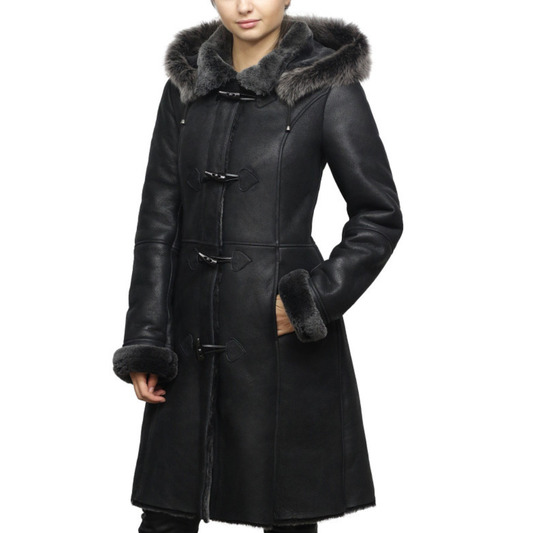
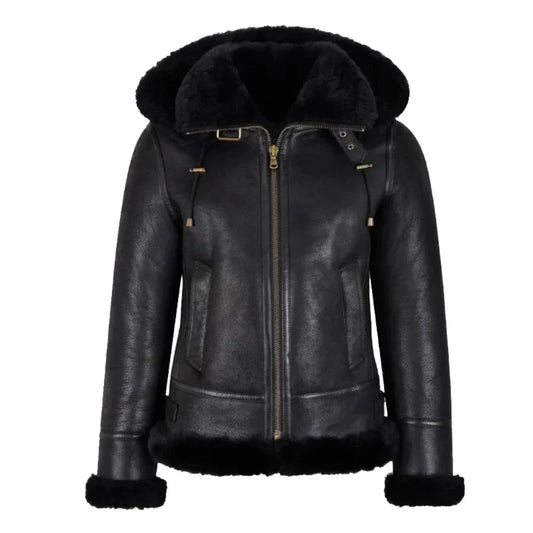
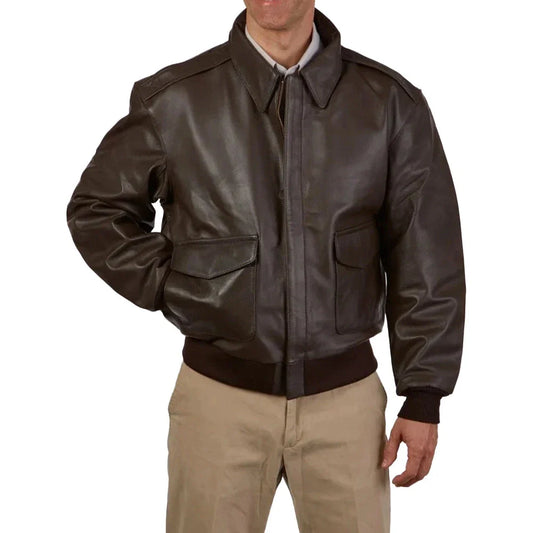
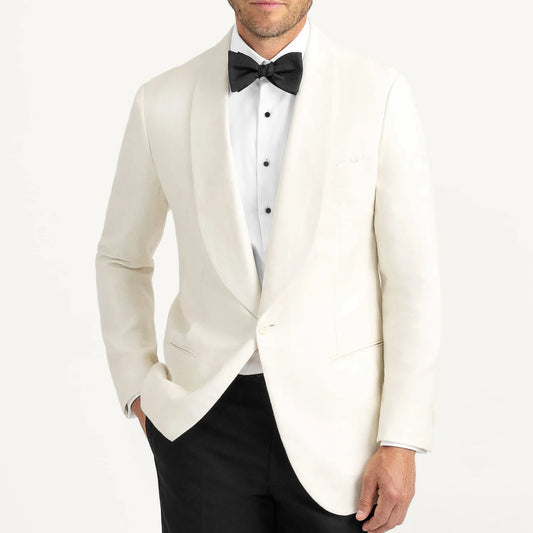
Different jacket styles need different features. A biker jacket benefits from firmer leather, strong seams, and durable hardware. A bomber jacket should feel easier to move in. A cafe racer jacket needs a clean fit and smooth panel work. Leather coats need balanced weight and drape, while leather blazers need shape and a polished surface.
This is why the best jacket is not chosen by material alone. Fit, lining, stitching, sleeve length, shoulder shape, zipper quality, and leather thickness all matter. An authentic leather jacket can offer a premium look and a real leather feel when those details are done well.
When choosing a style, think about how you plan to wear it. Black leather jackets are easy to style with many outfits, while brown leather jackets often feel warmer and more classic. Biker, bomber, cafe racer, coat, and blazer styles each serve a different purpose.
How Long Does Genuine Leather Last?
A well-made, natural leather jacket can last for years with the right care. Its lifespan depends on material quality, finish, stitching, storage, climate, and how often it is worn.
Real leather does not peel like plastic, but some leather products can still crack, flake, or lose their surface finish. This usually happens because of heavy coating, poor finishing, bonded material, dryness, heat, water damage, or harsh cleaning products.
Care has a big effect on how leather ages. Keep jackets away from direct heat, hang them properly, clean them gently, and condition them when needed. If leather becomes too dry, it can stiffen or crack. If it gets soaked and dries too quickly, the surface may become damaged.
|
Care Factor |
Why It Matters |
|
Proper storage |
Helps the jacket keep its shape |
|
Conditioning |
Keeps leather from drying out |
|
Moisture control |
Reduces stains and stiffness |
|
Heat protection |
Helps prevent cracking |
|
Sunlight control |
Protects color and finish |
|
Gentle cleaning |
Avoids surface damage |
|
Wear frequency |
Helps decide care routine |
A jacket that is made well and cared for properly will usually age better than one with weak construction or poor surface treatment.
How to Identify Genuine Leather Before Buying
When buying a leather jacket online, you cannot touch the material, so the product page needs to do the work for you. Look for clear leather details, close-up photos, stitching, lining, hardware, size guidance, reviews, and care instructions before placing an order.
A good product page should show how the jacket looks up close and explain what it is made from. If the page only says “real leather” but gives no material details, close-up images, or return information, check carefully before buying.
Quick Buying Check

This checklist helps you judge the full jacket, not just the leather label.
Pros and Cons of Genuine Leather
Authentic leather has real benefits, but it also has limits. Its value depends on how the material is processed and how the final product is made.
|
Pros |
Cons |
|
Made from real leather |
Quality can vary |
|
Often more accessible than higher-grade leather |
The term is broad |
|
Can look stylish and premium |
May be heavily finished |
|
Suitable for jackets and fashion items |
May not age like full-grain leather |
|
Can last with proper care |
Poor finishes may crack or flake |
When Is Genuine Leather Worth Buying?
Authentic leather is worth buying when the full product supports the material claim. The jacket should have clear details, a realistic price, and construction that matches how it will be worn.
Look for leather that appears substantial in photos, stitching that looks clean, lining that is described or shown, and hardware that seems strong enough for repeated use. Fit also matters. Even good leather can feel wrong if the shoulders, sleeves, or chest do not sit properly.
A true leather jacket makes sense for buyers who want a premium look, a real leather feel, and an accessible price point. It is a good option when the product page provides enough information to judge quality before purchase.
How to Care for Genuine Leather

Real leather needs simple care to keep its texture, shape, and finish. Hang the jacket on a wide hanger so the shoulders stay in place. Keep it away from direct heat, radiators, and long periods of strong sunlight.
Avoid soaking leather in water. If it gets damp, let it dry naturally at room temperature. Do not use a dryer, heater, or harsh cleaner. For light dust, use a soft dry cloth. If the leather feels dry, use a leather conditioner made for the material, and test it on a hidden area first.
For storage, use a breathable garment bag instead of plastic. Leather needs air circulation, and plastic can trap moisture. With basic care, a natural leather jacket can keep its look and feel for much longer.
Frequently Asked Questions
1. Is genuine leather real leather?
Yes, genuine leather is real leather when the term is used correctly. It comes from animal hide, unlike faux leather or PU leather, which are synthetic materials made to look like leather. However, real hide leather quality can vary based on the hide layer, finish, thickness, and how the product is made.
2. Is genuine leather good quality?
Authentic leather can be good quality, but the label alone is not enough to judge it. The final quality depends on the leather type, thickness, finish, stitching, lining, hardware, and overall construction. A well-made, true leather jacket can feel comfortable and last well, while a poorly made one may wear out faster.
3. Is genuine leather better than faux leather?
Authentic leather is usually more natural than faux leather because it comes from animal hide, while faux leather is synthetic. It can feel softer, develop more character with use, and age better when cared for properly. Still, the better choice depends on product quality, care needs, price, and personal material preference.
4. Is genuine leather the same as full-grain leather?
No, real leather is not the same as full-grain leather. Full-grain leather keeps the natural outer grain of the hide and is usually considered a higher-grade leather. Real leather is a broader label that means real leather, but it does not always explain the grade, layer, or level of processing.
5. How long does genuine leather last?
True leather can last for years when the product is well-made and properly cared for. Its lifespan depends on leather thickness, finish quality, stitching, storage, moisture exposure, heat, and how often it is used. Regular cleaning, careful storage, and occasional conditioning can help protect the material over time.
6. Does genuine leather peel?
Real, true leather does not peel like plastic, but some leather products can crack, flake, or lose their surface finish. This usually happens because of heavy coatings, poor finishing, bonded materials, dryness, heat, or water damage. Proper care and gentle cleaning can reduce the risk of surface damage.